
Smarter aquaculture starts with better forecasts
Solutions
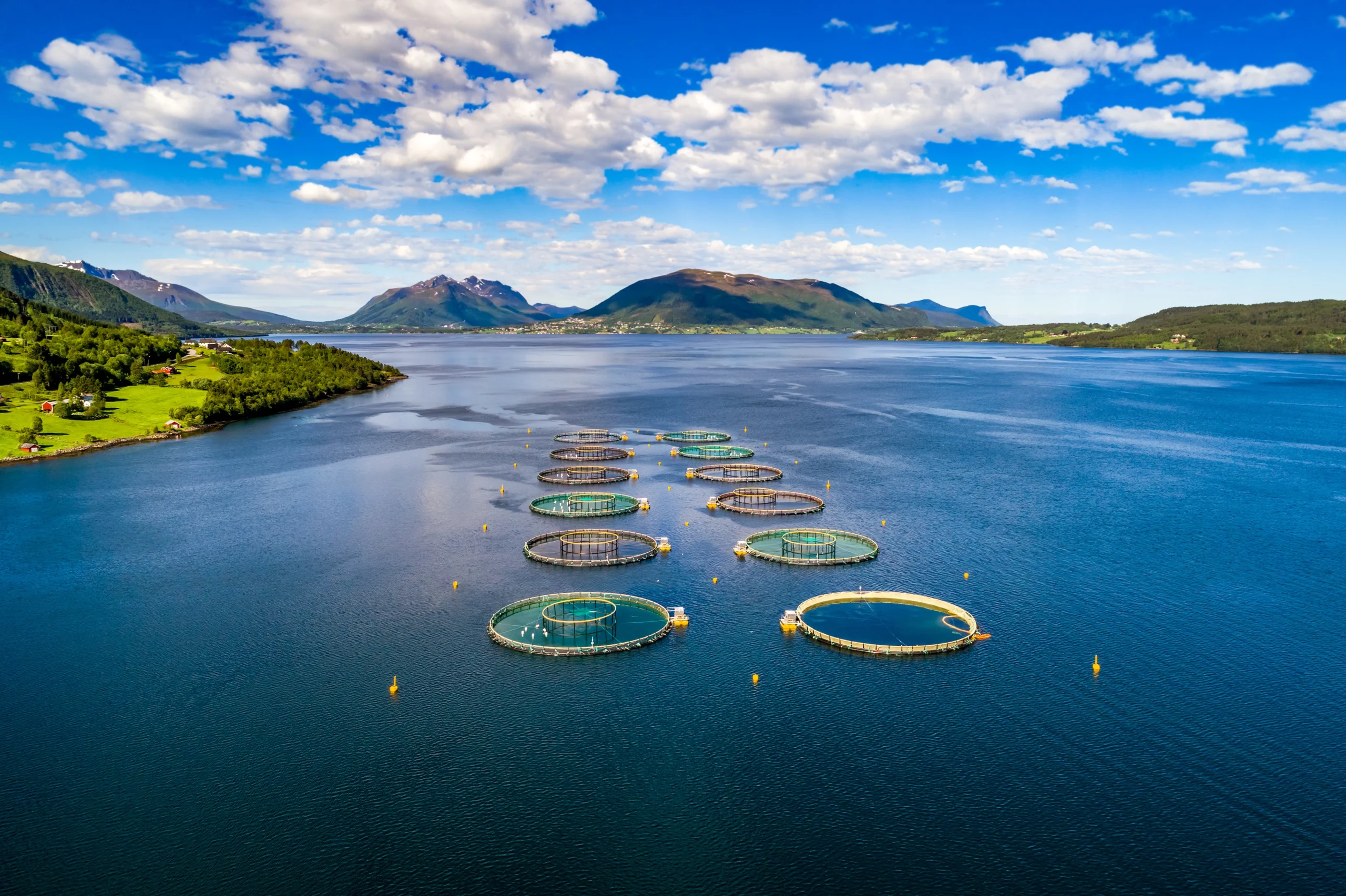
Lice dynamics at the farm-site level

Particle Tracking
Model how salmon lice move between farm sites using advanced particle tracking. Gain clear insights into dispersion patterns for better risk management.

Lice Growth Simulation
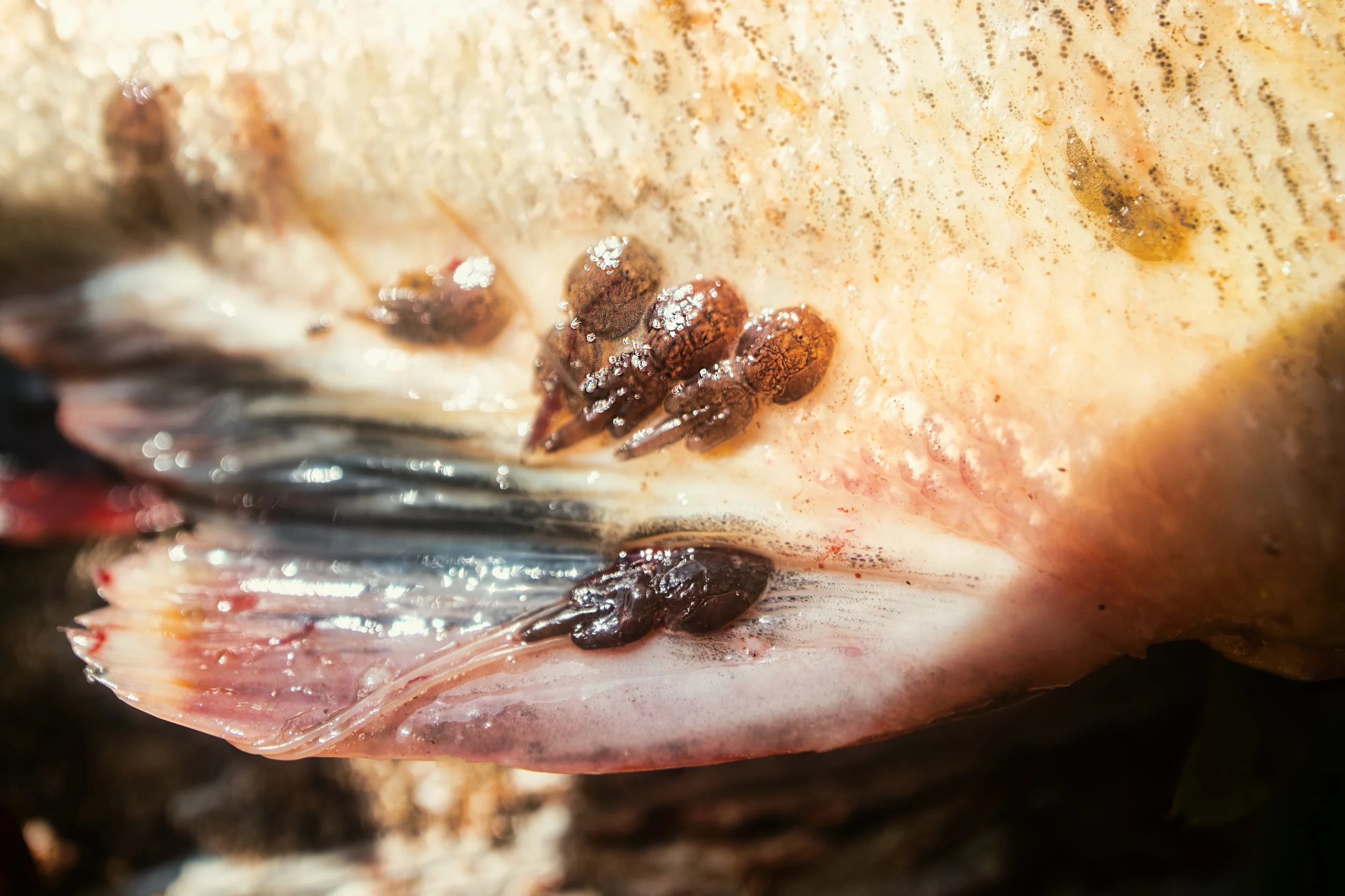
Simulate lice population growth and test treatment timing. Make data-driven decisions to improve fish health and reduce unnecessary interventions..

Consulting
Expert guidance on lice modelling, treatment strategies, and data interpretation to support smarter aquaculture decisions.
ABOUT SIMLICE
SimLice is a Faroese-founded technology company developing advanced modelling tools for salmon lice management. Built on more than a decade of scientific research, our platform helps farmers forecast lice dynamics at the farm-site level and plan smarter production strategies.
By turning complex biological and environmental data into clear, actionable insights, we support more predictable operations, healthier fish, and more sustainable aquaculture.
SIMLICE INSIGHTS
Stay updated with the latest perspectives, research developments, and industry insights shaping modern salmon lice management. The SimLice Insights blog shares expert knowledge, practical observations, and scientific context from our work in predictive modelling and sustainable aquaculture.
Explore articles on lice dynamics, treatment strategies, environmental interactions, and emerging industry trends — all designed to support more informed and confident decision-making in fish farming.